Een gewone brief, zo zei mij een vriend, stuur je weg en ‘t is afgelopen, terwijl je een open brief bij je houdt en zo dikwijls kunt veranderen en opsturen als je maar wil.
Antwoord op een open brief
1918
Huib Hoste

Expo
HUIB HOSTE
MODERNISM
IJzerwinkel
en woonhuis
1920 Wervik
Permanent exhibition
Ruimte
Transient exhibition
FRAGMENTS
OF
HUIB HOSTE
The code of Huib Hoste in the space
Utilization of Monument Architecture
Activate of Message from Huib Hoste
serve
“Kunst mag zichzelf niet als doel nemen; was dit wel het geval dan kreeg men een luxe-ding, iets dat anti-sociaal en als dusdanig buiten onzen tijd staat. Het gaat ten slotte met kunst gelijk met het meest eenvoudige gebruiksvoorwerp. Alles moet dienen; niets mag nutteloos zijn. Wij begeren dat een lepel zo volmaakt mogelijk is, niet om als lepel volmaakt te zijn, maar om door ons te kunnen gebruikt worden! “
Huib Hoste : TER WAARHEID 1921
Exhibition in movement
It serves as a platform for engaging society with Hoste’s modernist architecture and its philosophy. Rather than being confined to a fixed museum space, it transcends physical spaces, urban environments, and digital realms, offering a multilayered experience through residential space utilization (Heritage Woonhuis), inclusive employment programs (Museum Café, Repair Hu(i)B), creative initiatives (Creator in Residence, Stay and Create), and the promotion of food culture utilizing local resources (Glocal Home Cuisine, Open KEUKEN). This approach provides an opportunity to explore the essence of modernism and its contemporary significance.
From the perspective that architecture is a mirror of society, heritage is not merely a relic of the past but a platform for dialogue between the present and the future. Centered around IJzerwinkel, a symbol of post-war reconstruction, it fosters connections between history, culture, and the local community, aiming for continuous value creation and proposing a sustainable model for heritage utilization.
Exhibition in Movement is a dynamic exhibition format that transcends fixed display spaces, connecting physical locations (real spaces) and digital expressions (moving images) across multiple points. Centered around modernist architecture, it integrates elements such as photography, film, space, and food, creating an experience where the exhibition itself becomes an activity, and the activity becomes the exhibition and it takes art into life.
EXPO
NL – Original Text
EXPO
HUIB HOSTE
MODERNISM
IJzerwinkel
en woonhuis
1920 Wervik
Huib Hoste, 1918
1st YEAR. JUNE. NINETEEN HUNDRED AND EIGHTEEN NUMBER 8. , De Stijl
VISIT
JP*
Huib Hoste, “Antwoord op een open brief” 1924 De Stijl,
この文章は、Huib Hoste が Theo van Doesburg からの公開書簡への回答として書かれたものです。20世紀初頭のオランダでは、抽象芸術をめぐって激しい議論がされていました。De Stijl 誌を主宰する Theo van Doesburg は、抽象芸術を唯一の正しい芸術形式であると主張していました。一方、Hoste は、様々な芸術表現を評価することが重要であると考えていました。
宗教と芸術の関係: Hosteは、Doesburgから、De Stijl誌で意図的に宗教的感情を隠したと批判されたことに反論します。Hosteは、De Stijl誌で建築一般について論じる際に、宗教的信念を表明する必要性を感じなかったと述べています。一方、カトリック教会の芸術を批判する際には、自身のカトリック教徒としての立場を表明することで、宗教的偏見に基づいた批判ではないことを明らかにすることが重要だと考えています。
抽象芸術: Hosteは、抽象芸術の可能性を肯定する一方で、それが唯一の正しい芸術の道であるとは考えていません。Hosteは、Cezanne、van Gogh、Picassoなどの先駆者たちの作品に見られる、抽象芸術への進化が、教育や環境によってまだ古い芸術観にとらわれている他の芸術家にも影響を与えていると考えています。Hosteは、このような多様な芸術表現を認め、評価することが重要だと考えています。
De Stijl: Hosteは、De Stijl誌の理念に共感している一方で、すべての点において賛同しているわけではありません。Hosteは、De Stijl誌がすべての宗教を否定するような内容の声明書を発表したことに反発し、署名を拒否しました。Hosteは、異なる意見を持つことを許容し、多様な視点を尊重することが重要だと考えています。
この発言は、芸術における多様性と寛容性の重要性を訴えています。現代社会においても、異なる意見を持つ人々を尊重することが重要であるというHosteのメッセージは、普遍的な価値を示唆しています。
SHOP
FR
Huib Hoste, 1918
MEMBERS
EN
It is usually the origin of the new, which our minds look for in the past. One wants to know how the new thoughts and new forms of life, which radiate in their fullness in later times, arose; Each age is viewed above all for the promises it holds for the next.
Leiden, January 31, 1919
can be rightly said that the essence of architecture is something that has not been subject to change over time. With or without the necessary awareness, architecture always led to the isolation of part of “the space,” to the realization of an enclosed space. … In contrast, the understanding that people had of the creation of space underwent constant changes according to prevailing thoughts and circumstances. …
Huib Hoste, 1918
Activities of Utilizations

EXPO
HUIB HOSTE
MODERNISM
IJzerwinkel
en woonhuis
1920 Wervik
Tea bar|OPEN BRIEF
HUIB HOSTE
MODERNISM
IJZERWINKEL
WOONHUIS
1920
WERVIK
…de bewegelijkheid der massa’s, het spel van licht en donker, de tinteling der kleuren zullen er een voortdurende bron zijn van genot zoo voor den geest als voor het oog van den modernen mensch.
Huib Hoste,
‘DE ROEPING DER MODERNE ARCHITECTUUR.‘.
DE STIJL, 1e Jaargang Juni. Negentienhonderdachttien (1918) , p. 85-87
Bezoek Expo..
winkel ヶ|ke
ショップの案内ページ
DAIDOKORO
online shop
Open brief
利活用プログラムである「Exhibition in movement」は、遺産の持つメッセージを表現しています。それはHUIB HOSTEがこの建築で具現化したMODERNISMのメッセージです。
すべての「展示=遺産のメッセージ」は公開書簡で実行されることは、伝えられるべきか。。
Open brief
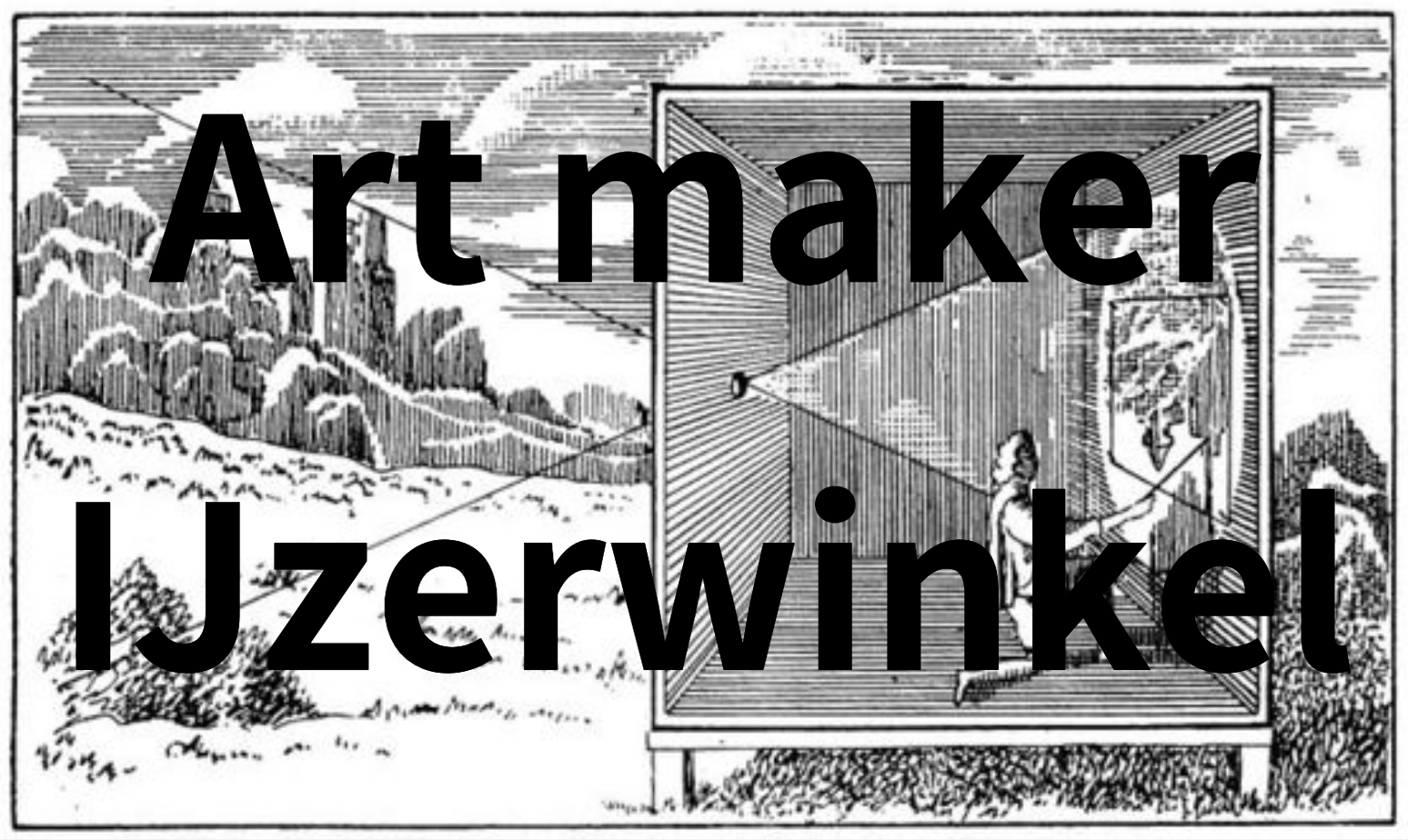
遺産建築自体が、商業建築として存続するために自らを使用して、自立の糧を得ます。